
The AlzPI
The Alzheimer’s Pathobiome Initiative is a global multidisciplinary collaboration to clarify the role of microbes in Alzheimer’s (AD) and other brain diseases.
-
![]()
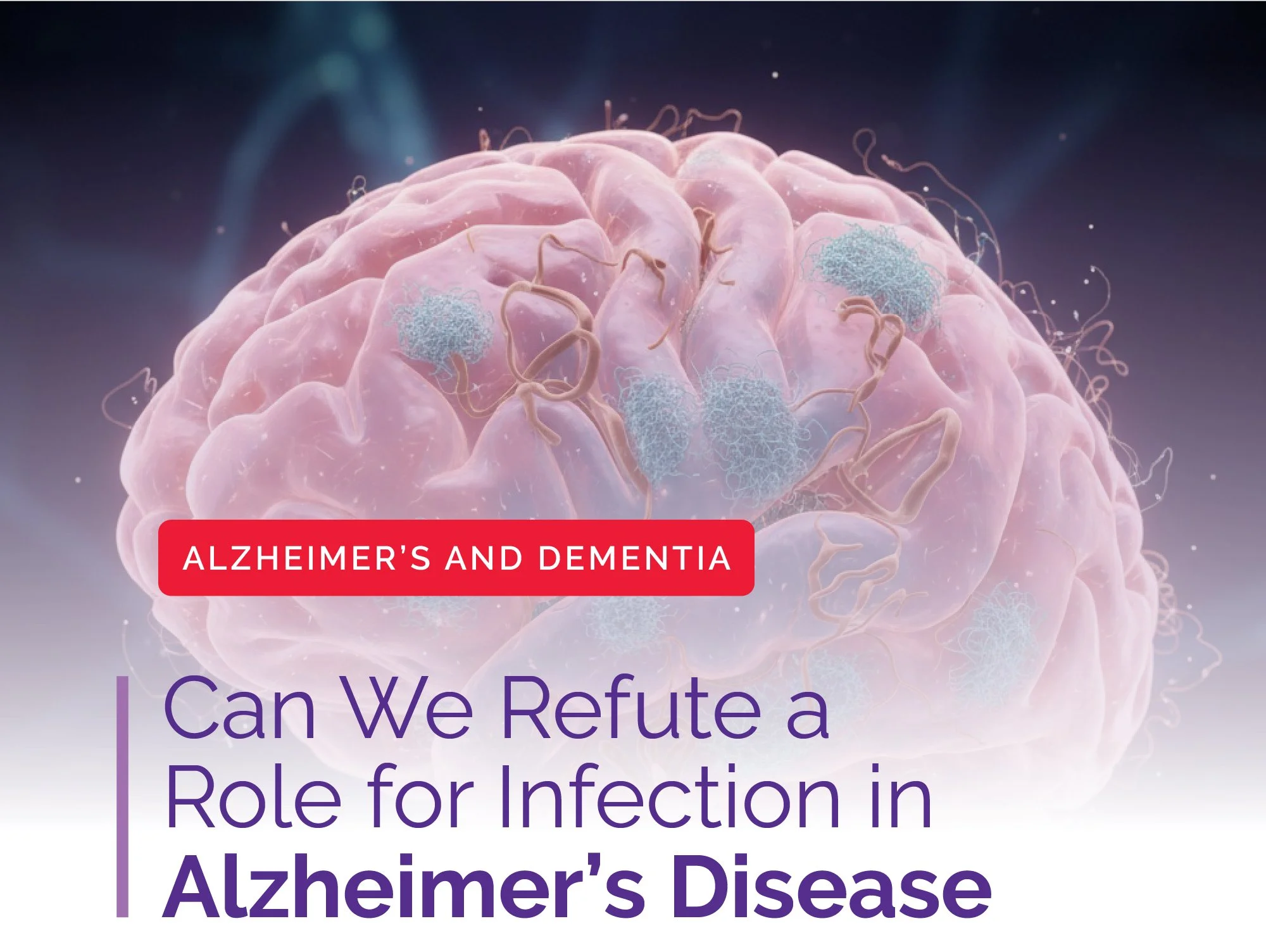
Our new AlzPI NextGen team is asking big questions. Our NEW publication, led by Dr. Zena Chatila, doesn't try to offer a simple answer. The future of Alzheimer's research demands fresh perspectives. We are passionate about supporting early career-stage scientists and clinicians, so we created the AlzPI NextGen group. With this crew, the future is bright for patients.
March, 2026
-
![]()
The newly launched Sally Einstein Brain Research Program at the Shemesh Lab at Hebrew University in partnership with the Alzheimer’s Pathobiome Initiative will explore how pathogens may contribute to PANDAS/PANS, Alzheimer’s, Parkinson’s, ALS and Epilepsy.
March, 2026 -
![]()
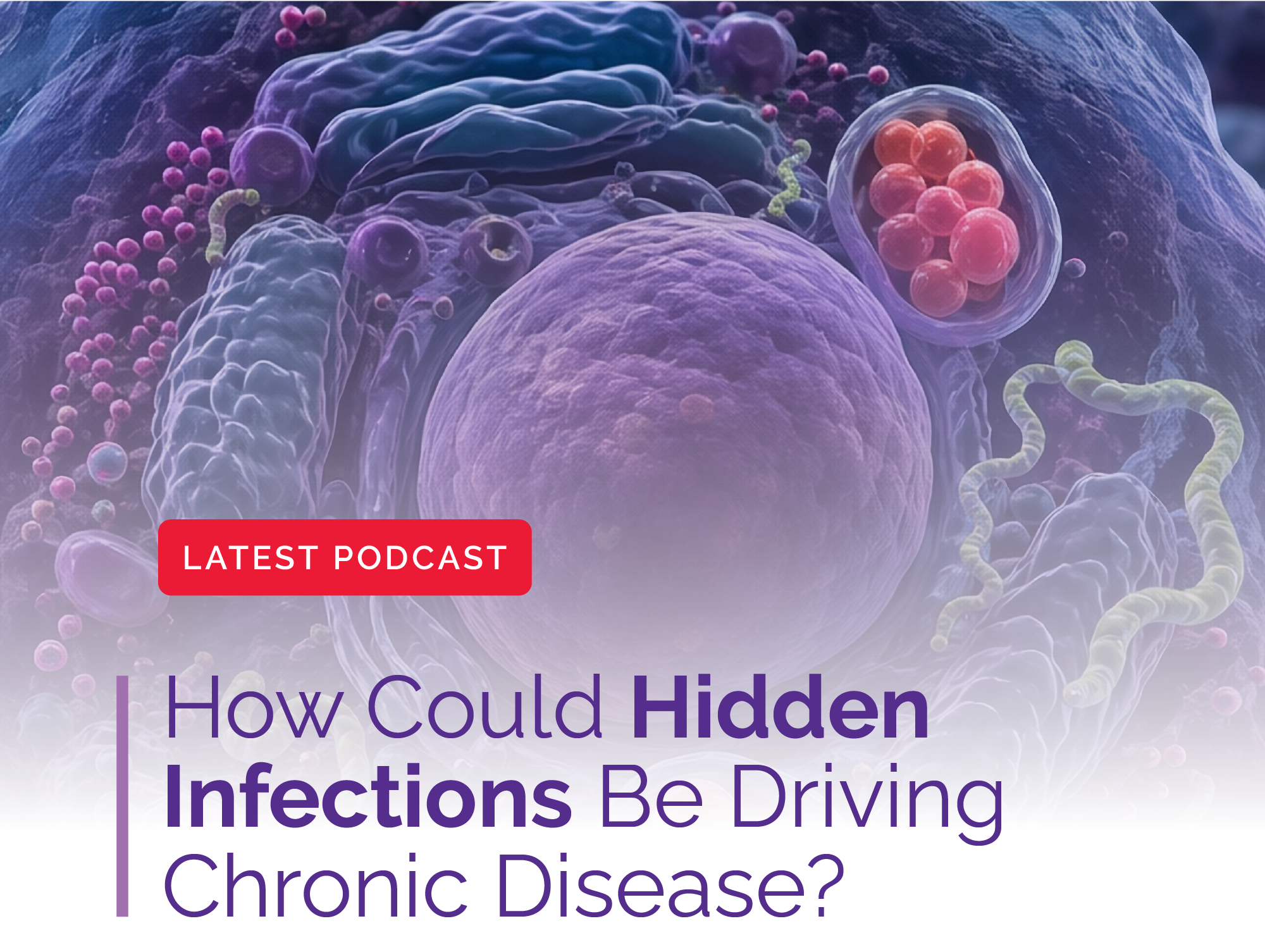
Modern medicine treats symptoms, but the root causes of chronic disease often remain a mystery. Nikki Schutek and Dr. Brian Balin joined “The People’s Pharmacy Podcast” to reveal how "stealth" pathogens like Chlamydia pneumoniae drive persistent inflammation. Targeting these hidden infections could rewrite how we treat Alzheimer’s, asthma, and autoimmune disorders.
March, 2026 -
![]()
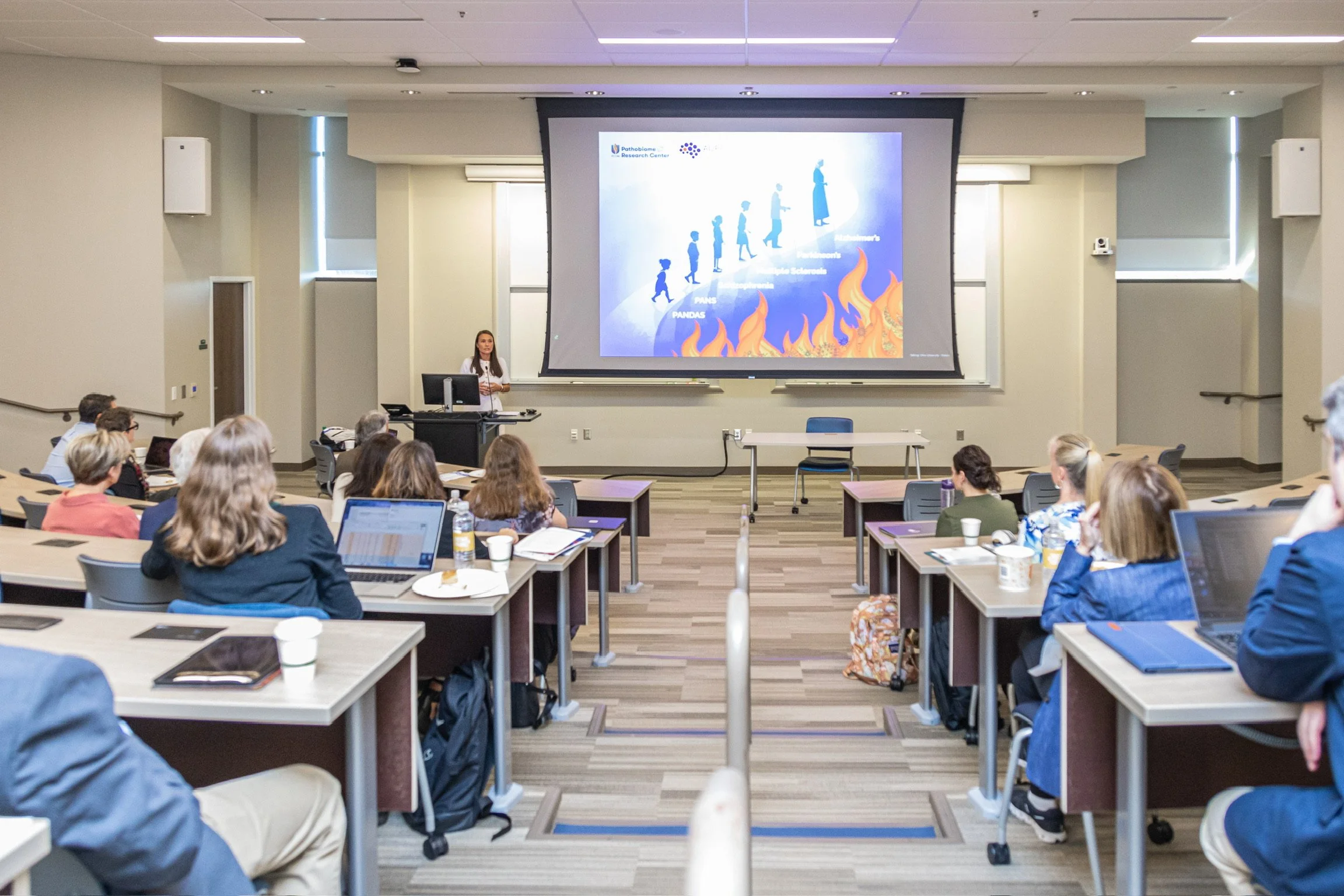
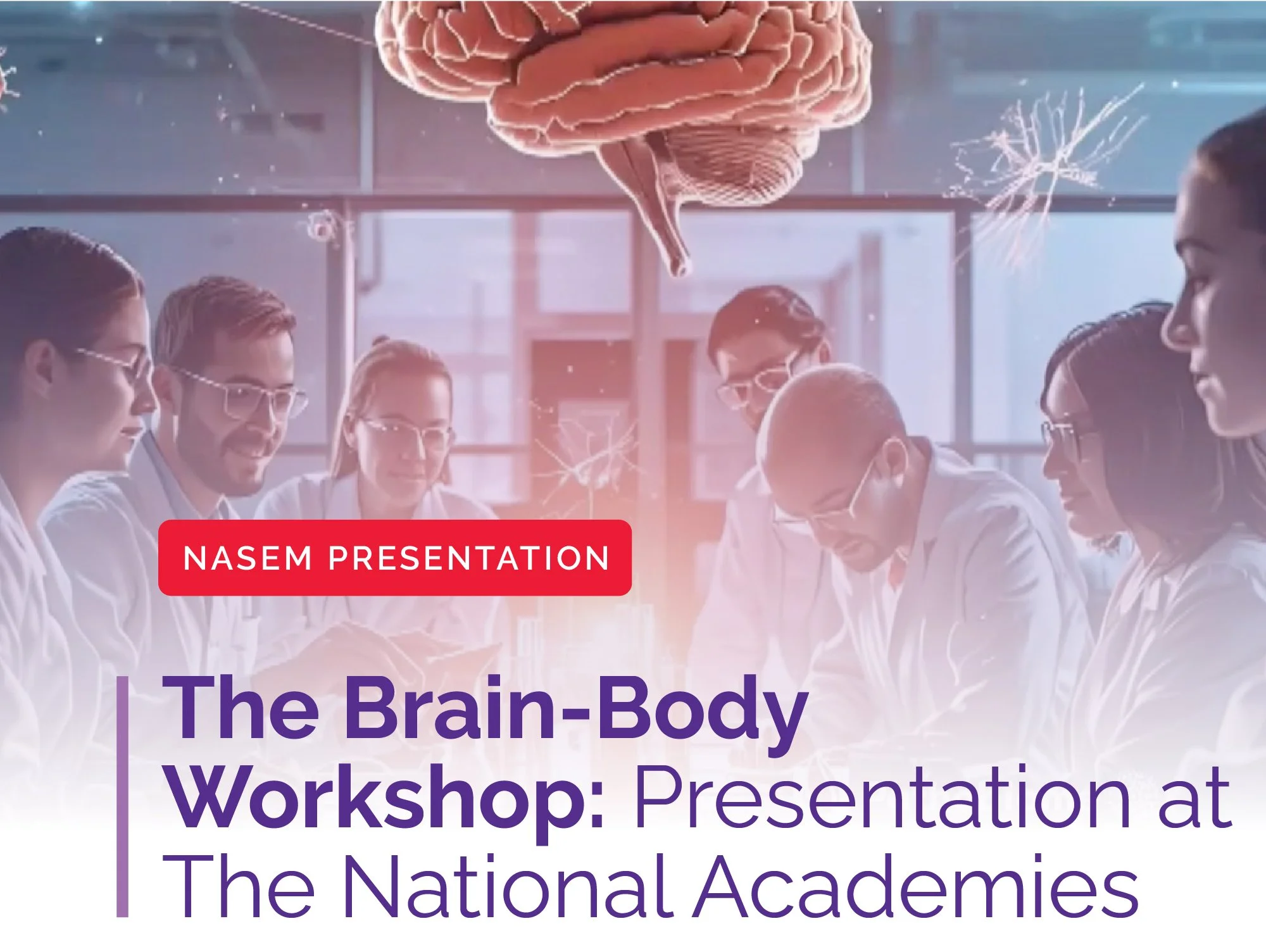
Could common germs be the “hidden hand” behind chronic illness? Researcher and patient, Nikki Schultek, discusses how stealth pathogens may trigger Alzheimer’s, Asthma, and PANDAS/PANS. This presentation reveals a team science model to identify and treat infectious drivers of brain diseases.”
October, 2025



NEW Pathobiome Research Center: a collaboration hub dedicated to unveiling infectious drivers of chronic disease

Latest Articles & Publications
-
![]()
Investments in COVID research provide a unique opportunity to explore how microbes may contribute to neurological conditions, an area of investigation that has been chronically underfunded.
February, 2026
-
![]()
The AlzPI consortium advancing research and education.
July, 2024
-
![]()
Exploring the sensory pathways of the head and neck as gateways for infection.
September, 2024
-
![]()
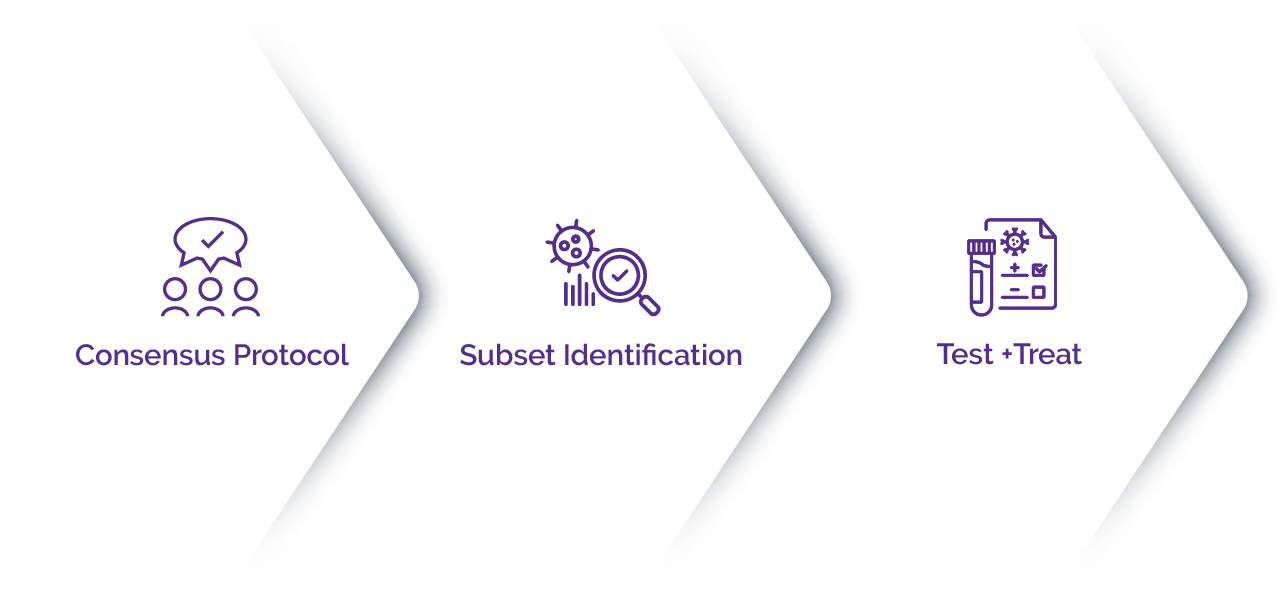
Establishment of a consensus protocol. A research roadmap.
June, 2023
-
![]()
An Op-Ed by Dr. Brian Balin and Nikki Schultek underscoring the need to study plausible infectious root-causes for Alzheimer’s.
December, 2024
Infections and the Brain
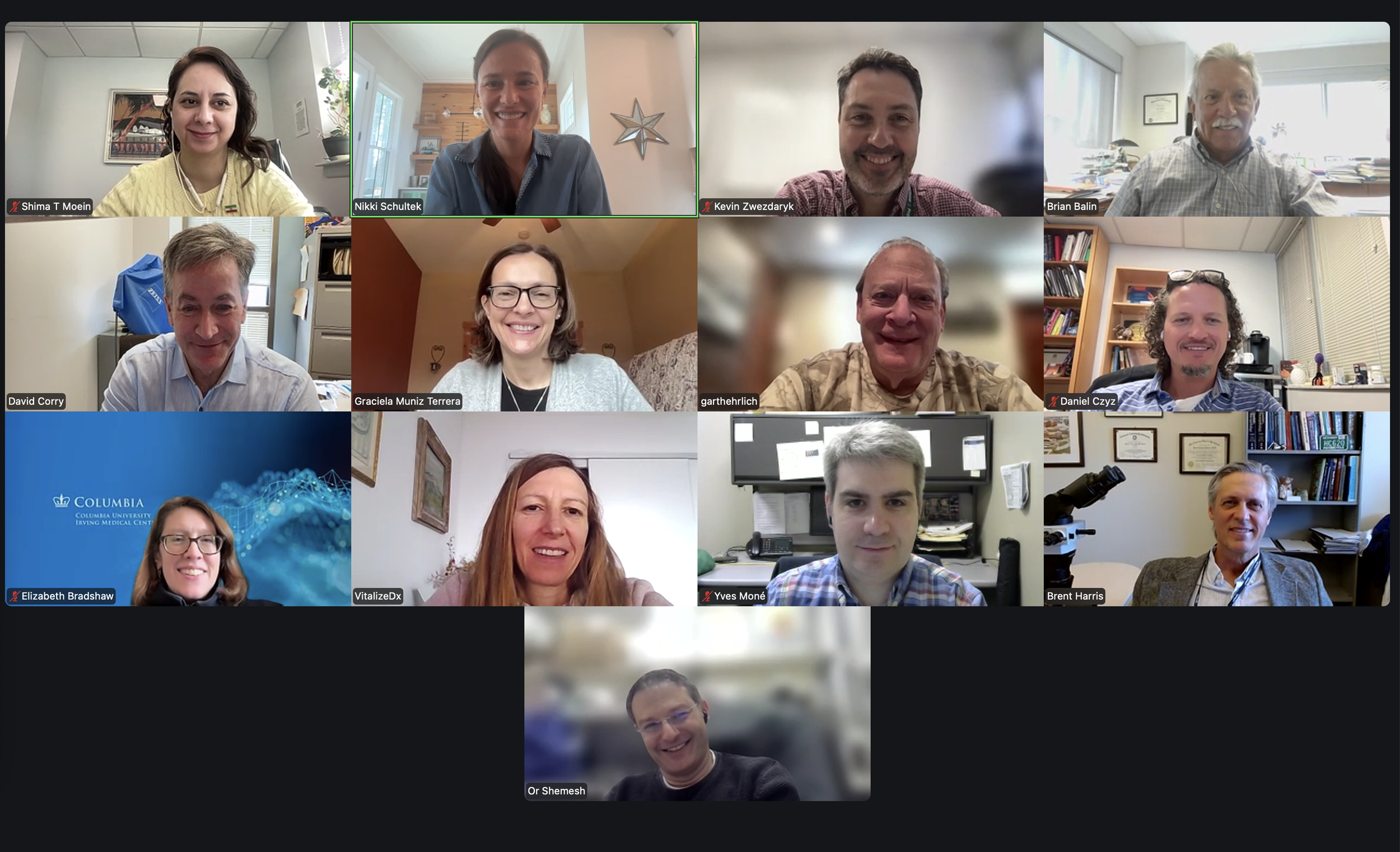
Chronic infections of the brain may contribute to dementia and other neurodegenerative and psychiatric diseases across the human lifespan. For decades, microbes have been implicated in Alzheimer’s disease (AD) pathology, but demonstrating a causal role has remained elusive. The lack of standardized detection methodologies has led to inconsistent identification of microbes in post-mortem brain tissue.Collaboration across research and clinical disciplines—such as neurology, infectious disease, immunology, and others—is necessary to understand this complex, chronic, multi-system disease. Through unprecedented global, multidisciplinary collaboration, The Alzheimer’s Pathobiome Initiative is performing comparative analyses of microbes in post-mortem brains versus other human biospecimens, designing mechanistic models, and leveraging untapped data from population-based studies. Diverse microbial detection techniques, bioinformatic tools, and statistical approaches are being applied. Our goals are to provide a roadmap for detecting infectious agents in patients with the earliest signs of neurocognitive decline or psychiatric illness, while revealing mechanistic relationships between polymicrobial infections and disease pathology. Identification of infections, coupled with mechanistic and longitudinal data, will inform pilot studies using already approved antimicrobial therapies. Through this global initiative, we are identifying novel diagnostic approaches and companion biomarkers—and, importantly, establishing a new research framework and team science model to study infection-associated brain diseases.
Taking Action