
Collaborators & Advisors
-

Nikki M. Schultek
Executive Director, AlzPI, Founding Director of the Pathobiome Research Center and Research Assistant Professor at The Philadelphia College of Osteopathic Medicine (PCOM), and Principal Founder, Intracell Research Group, LLC
Nikki received her BS in Business Administration from Villanova University, studying Marketing, French and International Business. She began her career in the life sciences industry with Pfizer and Genentech. Shortly after accepting her most treasured role, “mom”, Nikki fell systemically ill, including frightening neurodegenerative symptoms. After being diagnosed with Borrelia burgdorferi (Lyme Disease), Chlamydia pneumoniae and other co-infections and receiving antibiotic therapy, she experienced remission. Nikki is accelerating innovation in Infection Associated Chronic Conditions and Illnesses (IACCI), such as Alzheimer’s, Asthma, and others by building interdisciplinary research collaborations. In 2017 she Founded Intracell Research Group, LLC, to unite researchers, clinicians, and stakeholders across the globe. Nikki is a collaboration architect, Co-Founder and Executive Director of The Alzheimer’s Pathobiome Initiative, Founding Director & Research Assistant Professor; the Pathobiome Research Center at the Philadelphia College of Osteopathic Medicine (PCOM) a co-investigator of a 3,200-patient asthma clinical trial (iTREAT-PC) and member of the Board of Directors of the International Lyme and Associated Diseases Education Foundation. To date, Nikki has connected grants to launch AlzPI research at 8 academic centers and generate precious data using the roadmap she co-lead authored, published in Alzheimer’s and Dementia: The Journal of the Alzheimer’s Association (Lathe, Schultek, Balin et al., 2023), detailing an actionable, scientifically rigorous plan to unveil the potential role of microbial infections in dementia and other infection-associated brain diseases.
-

Lavinia Alberi, PhD, PD, MBA
Vitalize Dx
Dr. Alberi is founder and CEO of VitalizeDx, managing director of the Swiss Integrative Center for Human Health (SICHH) in Fribourg Switzerland, and holds a lecturer position at the University of Fribourg. She is founding member of the advocacy campaign BrainFit4Life since 2019. Her work spans diagnostic and therapeutic models in AD and she is an expertise in olfaction and microbial diagnostics for early dementia detection. From 2020, her team helped in the COVID pandemic surveillance by developing and patenting a salivary COVID test now with VitalizeDx she is now developing other salivary diagnostic applications in preventive medicine. She holds a Ph.D. in Neuroscience from the University of Heidelberg, Germany, an MBA from the University of Illinois. She was a Postdoctoral Fellow in the Neurology Department at Johns Hopkins School of Medicine, Baltimore, where she worked on the role of Notch signaling in memory and stroke. From 2012, she has been an independent PI at the University of Fribourg, Switzerland and subsequently Lead in Neurology at SICHH. Her work on the molecular mechanisms of AD coupled with her research on olfaction & salivary diagnostics based on the infectious hypothesis of neurodegenerative dementia have been seminal for the field.
-

Brian J. Balin, PhD
Philadelphia College of Osteopathic Medicine (PCOM)
Dr. Balin is a tenured Professor of Neuroscience and Neuropathology in the Department of Bio-Medical Sciences at PCOM. In addition, he is the Director of the Center for Chronic Disorders of Aging, an Osteopathic Heritage Foundation endowed center, as well as the Director of the Adolph and Rose Levis Foundation Laboratory for Alzheimer’s disease Research. Dr. Balin is an internationally recognized expert in the field of Alzheimer's disease research and has been studying the links between infection and Alzheimer’s disease for the past 25 years. His research interests include: Infection with Chlamydia pneumoniae as a trigger in the neuroinflammation and neurodegeneration in Alzheimer's disease, effects of infection and inflammation on the blood brain barrier in cerebrovascular disease, and pathogenesis of chronic disease associated with the aging process. Further, he has studied modification of neuronal cytoskeletal proteins including neurofilament assembly and subsequent tau protein modifications resulting in neurofibrillary tangle formation through phosphorylation and the actions of transglutaminase. With a background in microbiology, pathology and experimental neuropathology, he brings a unique perspective to infection associated with Alzheimer’s, specifically on the involvement of the respiratory pathogen Chlamydia pneumoniae and its association with this disease. Dr. Balin has received numerous National Institutes of Health and private foundation grant awards for his research. He is highly published in peer-reviewed journals, and has written a number of chapters and reviews on the pathology of Alzheimer's disease, including reviews on the "Pathogen Hypothesis" of this disease (see live discussion section, www.alzforum.org).
-
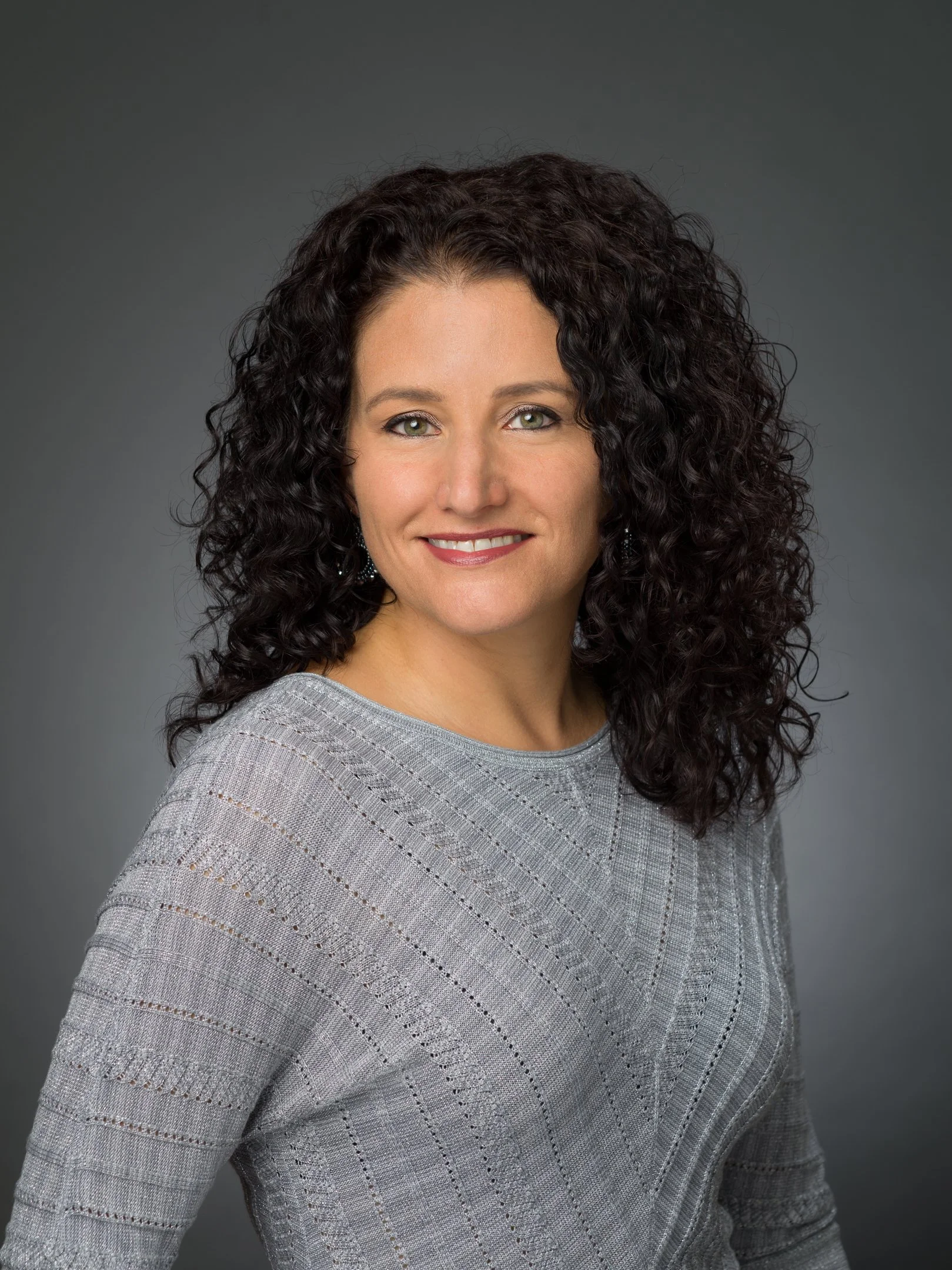
Nicole Bell, MS
Chief Executive Officer, Galaxy Diagnostics
Nicole is an experienced executive in the medical device and diagnostics industries, with roles spanning science and engineering, business development, and marketing. At Advanced Liquid Logic, a company that was sold to Illumina for $96M, she led product management and interfaced with leading medical diagnostics companies. At TransEnterix Surgical, she served as Vice President of Research and Development, driving the surgical robot from breadboard design to FDA submission in 3 years and propelling the company’s market cap to over $500M.
She holds a Bachelor’s and Master’s degree from MIT in Materials Science and Engineering, as well as a Master’s of Science degree in Biomedical Engineering from Duke University. Her best-selling and award-winning memoir, What Lurks in the Woods, vividly details her family’s experience with undiagnosed tickborne infections. This firsthand knowledge of the devastating impact of misdiagnosed chronic illness fuels her passion to drive a new diagnostic standard of care for the industry. She also served as the primary author of “The State of Lyme Disease Research in the United States,” and regularly collaborates with the Center for Lyme Action to change the political landscape for Lyme Disease and related coinfections.
-

Lynn Bimler, Postdoctoral Fellow
Baylor College of Medicine
Dr. Bimler is a postdoctoral fellow in the lab of Dr. David Corry. For her PhD, Lynn worked in the laboratory of Dr. Silke Paust at Baylor College of Medicine studying a novel vaccine and therapies directed towards the M2e peptide of influenza. Through her work on this project, her interest in pathogen-host interactions and aging increased leading to her current focus on developing a chronic murine model of Candida Albicans induced cerebral mycosis to determine its relationship to the pathogenesis of Alzheimer’s Disease.
-

Elizabeth M. Bradshaw, PhD
Columbia University
Dr. Bradshaw’s expertise is in translational neuroimmunology and she is focused on understanding the role of the immune system, specifically in the context of neurological diseases. She seeks to translate discoveries from basic wet-laboratory research into clinical applications for diagnosing, treating, and preventing neurological disorders involving immune system dysregulation, such as Alzheimer’s disease and Parkinson’s disease. Her current focus is studying the interaction of natural genetic variation with the immune response to pathogens which have been implicated in increasing disease risk in neurodegenerative diseases via modulation of immune cell function, specifically microglia.
-
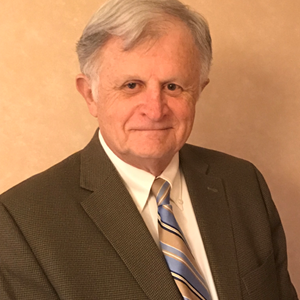
Robert C. Bransfield, MD, DLFAPA
Psychiatrist, Hackensack Meridian Health, Past President, ILADS
Dr. Robert C. Bransfield, MD, DLFAPA is a graduate of Rutgers College and the George Washington University School of Medicine. He trained at Sheppard and Enoch Pratt Hospital, is board certified by the American Board of Psychiatry and Neurology in Psychiatry and is a Distinguished Life Fellow of the American Psychiatric Association (APA). Dr. Bransfield’s primary activity is an office based private practice of psychiatry. Dr Bransfield is the Past President of ILADS, the International Lyme and Associated Diseases Educational Foundation and the New Jersey Psychiatric Association. He has held a number of administrative positions with hospitals and organizations involved with health, mental health and community related activities and has received multiple awards from the APA and ILADS, including the Pioneer Award. He is a Clinical Associate Professor of Psychiatry at Rutgers—RWJ Medical School and the Hackensack Meridian School of Medicine. Dr. Bransfield’s clinical activities have focused upon treating patients who are considered to be treatment resistant. Many of these patients were found to have infectious disease contributors to their psychiatric symptoms. As a result, his research has often focused upon the association between infectious disease and mental illness. Dr. Bransfield has authored and co-authored a number of publications in peer-reviewed and other literature and has been active in political advocacy on an international, national, state and local level.
-

Edward B. Breitschwerdt, DVM
North Carolina State University, Galaxy Diagnostics
Dr. Edward B. Breitschwerdt is the Melanie S. Steele professor of medicine and infectious diseases at North Carolina State University College of Veterinary Medicine. He is also an adjunct professor of medicine at Duke University Medical Center, and a Diplomate, American College of Veterinary Internal Medicine (ACVIM). Dr. Breitschwerdt directs the Intracellular Pathogens Research Laboratory in the Comparative Medicine Institute at North Carolina State University. He also co-directs the Vector Borne Diseases Diagnostic Laboratory and is the director of the NCSU-CVM Biosafety Level 3 Laboratory. He has served as president of the Specialty of Internal Medicine and as chairperson of the ACVIM Board of Regents. He is a former associate editor for the Journal of Veterinary Internal Medicine and was a founding member of the ACVIM Foundation.Breitschwerdt’s clinical interests include infectious diseases, immunology, and nephrology. For over 30 years, his research has emphasized vector-transmitted, intracellular pathogens. Most recently, his research group has contributed to cutting-edge research in the areas of animal and human bartonellosis and babesiosis. In addition to authoring numerous book chapters and proceedings, Dr. Breitschwerdt’s research group has published more than 450 manuscripts in peer-reviewed scientific journals. In 2012, he received the North Carolina State University Alumni Association Outstanding Research Award and in 2013, he received the Holladay Medal, the highest award bestowed on a faculty member at North Carolina State University. In 2017, Dr. Breitschwerdt received the American Association of Veterinary Medical Colleges Outstanding Research Award and the American Canine Health Foundation Excellence in Research Award. In 2018, he was named the Melanie S. Steele Distinguished Professor of Medicine at North Carolina State College of Veterinary Medicine.
-

David B. Corry, MD
Baylor College of Medicine
Dr. Corry is Professor of Pathology & Immunology and Medicine; Vice Chair for Immunology, Department of Pathology & Immunology at Baylor College of Medicine in Houston, Texas, and Chief of the Section of Allergy & Immunology at the Michael E. DeBakey VA Medical Center. Dr. Corry further holds the Fulbright Endowed Chair in Pathology. He received his M.D. degree from the University of Texas Southwestern Medical School and after residency training in Internal Medicine at Duke University Medical Center, he completed his clinical training in Pulmonary and Critical Care Medicine at the University of California at San Francisco. He joined the faculty at Baylor College of Medicine in 1999. The primary objectives of Dr. Corry’s research are to discover the fundamental immune and environmental causes of chronic human inflammatory diseases to improve the diagnosis, prognosis, and therapy of these often profoundly disabling conditions. His current research is focused on the role that common environmental fungi play in airway diseases such as asthma and sinusitis and chronic degenerative brain diseases such as Alzheimer’s Disease. Additional research interests include microRNAs that control immune function and the pathogenesis of cystic fibrosis.
-

Daniel Czyz, PhD
University of Florida
Daniel Czyz is an assistant professor in the Department of Microbiology and Cell Science at the University of Florida. He earned his Ph.D. in Molecular Biosciences and Biotechnology at Northwestern University, studying the regulation of the heat shock response under Dr. Rick Morimoto. He completed his postdoctoral studies in the Department of Microbiology at the University of Chicago, where he worked on bacterial pathogenesis and host-directed antimicrobials. His research focuses on microbial pathogenesis in protein conformational diseases, such as Alzheimer’s and Parkinson’s, and the development of antimicrobial strategies employing bacteriophages and silver nanoparticles.
-
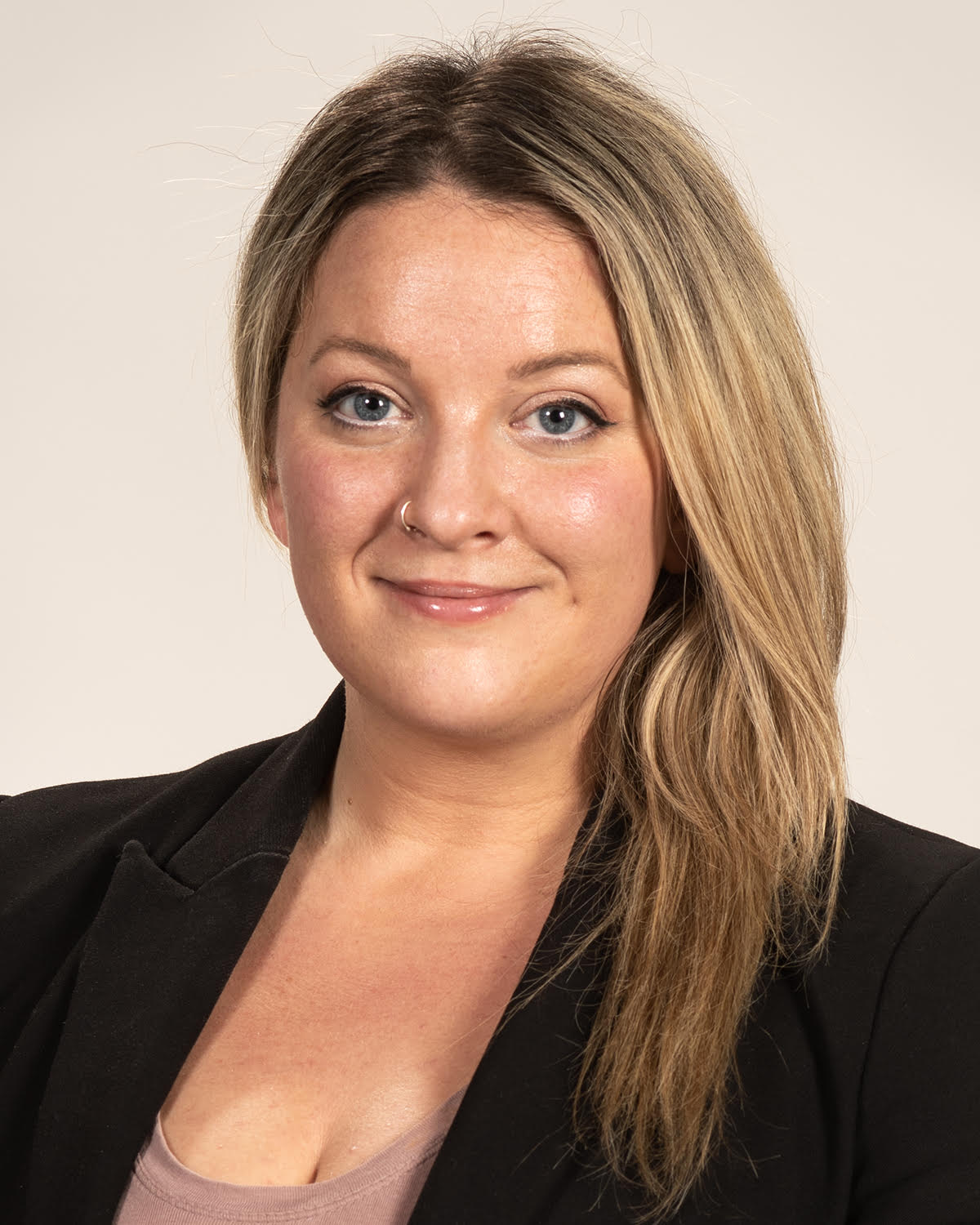
Megan Donlick, DO, MS
Post Doctoral Research Fellow - Center for Chronic Diseases of Aging & Pathobiome Research Center, Philadelphia College of Osteopathic Medicine
Dr. Megan Donlick, DO, MS, is a physician-scientist with expertise in neuroinflammation, neurodegeneration, cerebrovascular physiology, and translational biomedical research. She received her medical degree and master's degree from the Philadelphia College of Osteopathic Medicine and is currently a Postdoctoral Research Fellow in the laboratory of Dr. Brian Balin and the Pathobiome Research Center with Nikki Schultek. Her research career has encompassed diverse disciplines, including bioengineering, gene and cell-based therapeutics, lentiviral vector technologies, systems biology, and neuroscience. Prior appointments have included work in the therapeutics industry as a scientist and flow cytometry expert, research with the University of Pennsylvania's Institute for Medical Engineering and Science, where she investigated the physics of living systems, and neurosurgical research at the University of Illinois Chicago focused on cerebral hemodynamics, stroke pathophysiology, and risk mitigation strategies in cerebrovascular disease. Dr. Donlick's current investigations examine the role of infectious pathogens and host immune responses in the development of chronic neuroinflammation and neurodegenerative disorders. Her work is particularly focused on understanding pathogenic mechanisms contributing to Alzheimer's disease and translating these discoveries into future diagnostic and therapeutic approaches.
-

Garth D. Ehrlich, PhD
Drexel University College of Medicine
Dr. Ehrlich is a Professor of Microbiology and Immunology, and Otolaryngology-Head and Neck Surgery at Drexel University College of Medicine in Philadelphia, PA. His career is distinguished by the integration of technologies and concepts across diverse scientific and clinical fields, with a focus on diagnostics, informatics, artificial intelligence, infectious and genetic diseases, wound healing, and evolutionary biology. He has significantly reshaped our understanding of chronic bacterial pathogenesis, beginning with the biofilm paradigm to explain persistent mucosal infections. This concept, originally applied to chronic middle-ear disease in children, is now widely accepted as a framework for most chronic microbial infections. He also introduced the Distributed Genome Hypothesis, explaining genetic and phenotypic variability among bacterial strains, which, together with the biofilm model, underpins his concept of Bacterial Plurality. More recently, Dr. Ehrlich has explored bacterial population-level virulence factors and applied statistical genetics and AI to identify genes linked to tissue-specific infection and virulence. He is also pioneering high-resolution microbiome analyses to compare the brain microbiomes of Alzheimer's patients and unaffected individuals. His research extends to developing novel anti-biofilm drugs and studying the in situ evolution of virulence in chronic infections. Dr. Ehrlich is a fellow of the American Association for the Advancement of Science, the American Academy of Microbiology, and the International Lyme and Associated Diseases Society. He currently serves on the American Society of Microbiology’s Distinguished Lecture panel.
-

William A. Eimer, PhD
Harvard, Massachusetts General Hospital
Instructor in Neurology, Harvard Medical School; Faculty, Henry and Allison McCance Center for Brain Health, Massachusetts General Hospital. William Eimer is an instructor in the Neurology Department of Massachusetts General Hospital and Harvard Medical School. He dual majored in biology and psychology at Carnegie Mellon University. William earned a Ph.D. in Neuroscience from Northwestern University under the guidance of Dr. Robert Vassar where he researched intraneuronal amyloid and the 5XFAD mouse model. He continued in the field of Alzheimer’s disease, working as a postdoc under Dr. Robert Moir and then as a junior faculty member of the Genetics and Aging Research Unit at MGH. His current research focuses on expanding various roles of amyloid’s as an antimicrobial peptide, investigating the potential roles that Herpes viruses play in AD, and exploring how the immune system may be a key component of AD etiology.
-
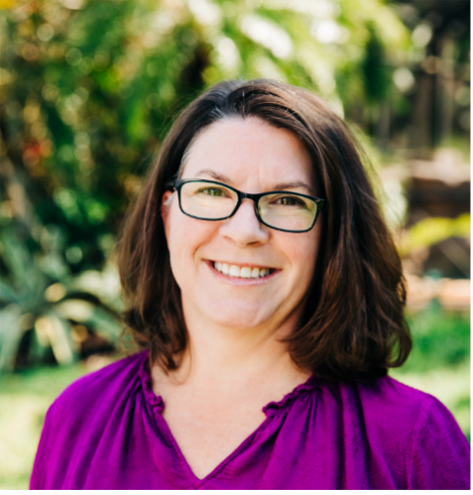
Amanda Elam, PhD
Dr. Amanda Elam is a distinguished scholar, entrepreneur, and advocate at the intersection of innovation, entrepreneurship, and life sciences. Currently an Adjunct Professor at Babson College (ranked #1 for Entrepreneurship Education in US News rankings) and a Research Fellow at the award-winning Diana International Research Institute at Babson College, Dr. Elam’s groundbreaking scholarship, published in top academic and industry journals, has informed policymakers, investors, and corporate leaders seeking to foster inclusive innovation and has shaped global conversations on gender dynamics, venture growth, and ecosystem development. Dr. Elam is cofounder and director of Galaxy Diagnostics, an early-stage medical diagnostics company in North Carolina (USA) advancing diagnostics and clinical discovery for emerging infectious diseases linked to chronic illness. She also serves on the board of directors for Vital Plan, a company advancing herbal solutions for chronic illness, on the board for a non-profit called VectorCME providing accredited clinical education based on emerging scientific evidence, and as an advisor for Sapere Bio, a spin out from UNC-Chapel Hill advancing biomarker testing for longevity, cellular and immune wellness. She holds a doctorate in Sociology from UNC Chapel Hill.
-

Tamás Fülöp, MD, PhD
University of Sherbrooke
Dr. Fulop is Professor of Medicine and Geriatrics, and Senior Researcher at the Research Center on Aging, University of Sherbrooke, Québec, Canada. He was the deputy director of the Research Center on Aging and member of the Graduate Immunology Program for 20 years. He has directed the Biology Research Program of the Research Center on Aging for more than 10 years. He obtained his MD degree at Geneva University. He received his PhD in Biochemistry and Immunology from the Hungarian Academy of Sciences and was a post-doctoral fellow at University Paris XII in Biochemistry. Dr. Fulop’s NSERC and CIHR funded research since 1994 is focused on immune response changes in T cells and neutrophils and the mechanism of inflammation with aging and age-related diseases in humans. More specifically his research is directed to the elucidation of the signal transduction changes in immune cells. His current interest is in the pathogenesis of Alzheimer disease, as well as of cancers. He is also interested in the immune-inflammatory changes occurring in frailty. He has authored more than 270 publications. He is recipient of the Presidential Award of the IAGG and fellow of the GSA since 2001. He served on the executive committee and participated in the organization of three IAGG congresses. He serves on the GSA Publications Committee and BS executive committee. He is on the editorial boards of Archives of Gerontology and Geriatrics, Biogerontology, Gerontology, Pathology Biology, Immunology and Aging, European Geriatric Medicine and is Section Editor of the BMC Geriatrics. He is the editor-in-chief of the Interdisciplinary Topics in Gerontology. He is co-director of the undergraduate geriatric teaching program.
-

David L. Hahn, MD, MS
Intracell Research Group Scientific Advisor
Dr. Hahn is a family physician with advanced research training in epidemiology, medical microbiology & immunology, and clinical trial design. Dr. Hahn has been performing primary care practice-based research (PBR) into infectious causes for asthma since the late 1980s. Experts agree that “the root cause for asthma is inflammation” and that “there is no cure for asthma.Current treatments are palliative, not curative (i.e., they suppress or “control” asthma symptoms only as long as they are taken). Dr. Hahn has published over 50 peer-reviewed articles, book chapters, invited commentaries and correspondence challenging current expert opinion by proposing the “infectious asthma (IA)” hypothesis: some asthma (the most severe type) is causally associated with chronic lung infections (such as Chlamydia pneumoniae and Mycoplasma pneumoniae) that are treatable with appropriate courses of certain antibiotics. Dr. Hahn has been a scientific advisor with Intracell Research Group since 2017 and recently joined AlzPI in two key publications (Lathe, Schultek et al 2023) and (Bathini et al 2024).
-

Brent Harris, MD, PhD
Georgetown University
Dr. Harris is a tenured faculty member of Georgetown University with dual appointments in Neurology and Pathology. He serves as the Director of Neuropathology and the Georgetown Brain Bank and Vice Chair for Research. As a neuropathologist and physician-scientist Dr. Harris has clinical, research, and teaching interests in neurological and oncological diseases. He has active collaborations and research programs in his own lab in the areas of neurodegeneration and CNS neoplasia. His primary interest is in understanding how mechanisms of neuroinflammation and glial-neuronal communication influence the pathophysiology of neurological diseases. In addition to investigating disease processes he also seeks to uncover targets for pharmacological intervention.
-
Ruth Itzhaki, MSc, PhD
The University of Oxford
Dr. Itzhaki graduated as a physicist, then carried out research for an MSc and PhD in Biophysics - all London University degrees. She subsequently worked in the Department of Radiotherapeutics, University of Cambridge, holding a Beit Memorial Fellowship for Medical Research and the Wheldale-Onslow Memorial Fellowship at Newnham College, Cambridge University. Her next move was to Manchester, to the Paterson Laboratories (cancer research), and then the University of Manchester. Dr. Itzhaki is now Visiting Professor, Oxford University, and Professor Emerita, Manchester University. Her research topics have been diverse, including the first studies on the accessibility of deoxyribonucleoprotein (aka chromatin) to enzymes and polylysine; more recently on Alzheimer's disease (AD), especially, the role of viruses in dementia - the first to show definitively the presence of an infectious agent in ‘sterile’ brain, and also the role of APOE in determining susceptibility to, or outcome of, various infections. Her recent epidemiological work on viruses and AD, with Prof K Muir and colleagues, University of Manchester, included the discovery of the protective action of shingles vaccine against dementia. Other studies, using the 3D brain cell culture model of Drs Cairns and Kaplan at Tuft, revealed that infections, and head injury, caused reactivation of latent HSV in the model.
-
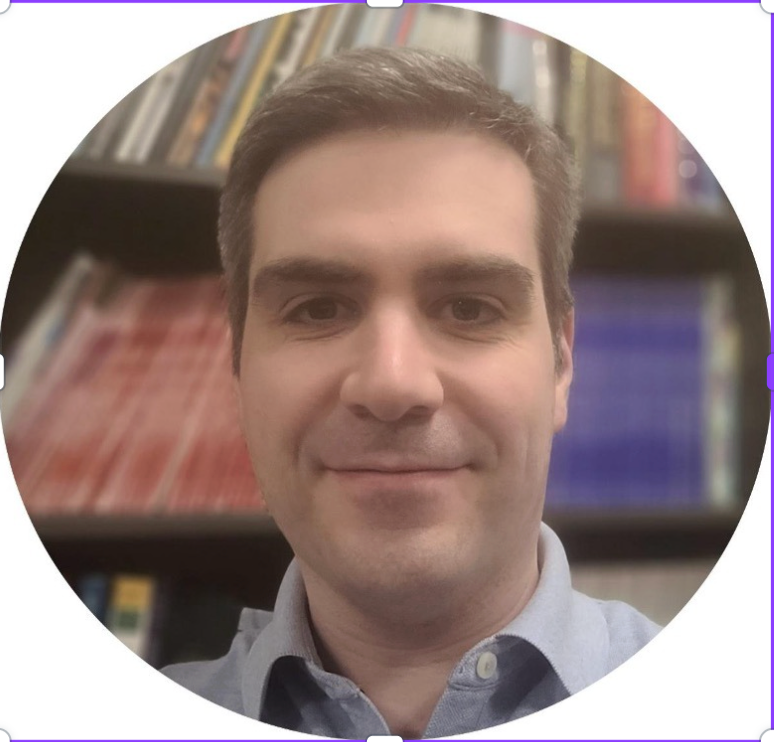
Yves Moné, PhD
Drexel University College of Medicine
Dr. Moné (PhD) is currently a Research Associate at the Center for Advanced Microbial Processing (CAMP) headed by Prof. Garth D. Ehrlich at Drexel University (Philadelphia, PA, USA). His research focuses mainly on the relationship between infection agents and their hosts including brain bacterial communities and Alzheimer’s disease. Dr Moné has a substantial conceptual background in pathogen / symbiont - host interactions, ecology and evolutive biology, combined with an extensive experience in molecular biology, biochemistry, statistics and bioinformatics.
-

Graciela Muniz-Terrera, PhD
Ohio University and University of Edinburgh
Dr. Muniz-Terrera holds the Ralph S. Licklider D.O. Endowed Professorship at the Ohio University Heritage College of Osteopathic Medicine and a Personal Chair in Aging, Health, and Methods at the University of Edinburgh in the UK. She earned her PhD from the MRC Biostatistics Unit at the University of Cambridge, where she studied cognitive changes in older adults. A recognized expert in longitudinal data analysis, Dr. Muniz-Terrera has authored over 200 peer-reviewed publications spanning methodological innovations and research on aging and brain health. Her work leverages large-scale population studies to deepen understanding of cognitive aging and neurodegenerative disease. At AlzPI, she conducts research on population studies to understand the role of infections and brain health applying state of the art analytical techniques. She played a key role in establishing and chairing the Design and Data Analytics Professional Interest Area (PIA) within ISTAART, and she actively contributes to multiple professional groups focused on statistical methods in aging and dementia research. Dr. Muniz-Terrera also served as co-lead of the IALSA Network, a consortium of over 100 longitudinal studies dedicated to advancing the reproducibility and robustness of findings in aging and dementia science. She is an elected member of the Academy of Behavioral Medicine Research, reflecting her sustained contributions to behavioral science, aging, and biostatistics.
-

Ravinder Nagpal, PhD
The Gut Biome Lab, Florida State University
Dr. Nagpal is an Associate Professor of Nutrition and Microbiome and the Director of The Gut Biome Lab at the Florida State University, Tallahassee, Florida, USA. Ongoing research in his lab focuses on understanding the casual vs. causal role of the gut microbiome and sepsis in host aging-associated intestinal and neurocognitive disorders via the gut-brain axis mechanisms. The long-term goals of his research are to identify dysbiosis and pathobiome signatures of specific bacteria, fungi, and metabolites, and to harness this knowledge to develop novel interventions to suppress pathogenesis and foster a healthier microbiome, thereby ameliorating gut health and neurodegenerative diseases including Alzheimer’s disease. His lab specializes in executing multi-dynamic techniques including bacterial and fungal metagenomics, metabolomics, culturomics, and bioinformatics along with in-vitro, preclinical and clinical milieus to solve intricate mysteries of the extremely diverse and dynamic microbial world dwelling inside our gut. With a decade-long experience in executing microbiome studies in rodent models, non-human primates, as well as clinical cohorts of metabolic and neurocognitive disorders, Ravi has published >120 papers, with >12,000 total citations, in his areas of research. He serves on the editorial board of journals including ASM Infection and Immunity, Frontiers in Aging Neuroscience, and BMC Microbiology. He is actively affiliated with several societies including the Infectious Diseases Society of America (IDSA), the US Shock Society, the American Societies for Nutrition, the American Societies for Microbiology, and the International Scientific Association for Probiotics and Prebiotics. One of his ongoing research projects, REMIND (Role of Enteric Microbial Infections in Neurodegenerative Disorders), is supported by the IDSA and is in collaboration with several other AlzPI team members. More info on his lab: https://thegutbiomelab.annescollege.fsu.edu/
-

George Perry, PhD
University of Texas at San Antonio
George Perry is Professor of Neuroscience, Developmental and Regenerative Biology and holds the Semmes Foundation Distinguished University Chair in Neurobiology, and is former Dean of Sciences at The University of Texas at San Antonio. Perry has studied Alzheimer’s disease since 1982 and was the first to discover that oxidative stress is a key feature of this and related neurodegenerative diseases. His studies identified oxidative damage, its source from metabolic/mitochondria failure and catalysis by iron and copper. This work led to a novel interpretation of the role of amyloid—that instead of causing Alzheimer’s disease, it is a protective antioxidant response, and the reason all the amyloid-based therapies have failed. Perry is a member of the Academies of Science of Portugal, Spain and Mexico.
-

Robert A. Rissman, PhD
University of California at San Diego
Dr. Rissman is Professor Physiology and Neuroscience and the W.M. Keck Endowed Chair in Medicine at the University of Southern California (USC). He is the founding Director of the Neuroscience Translational Research Division (NTRD) at USC’s San Diego campus, Alzheimer’s Therapeutic Research Institute (ATRI). Concurrently with his research, Dr. Rissman also serves as the Biomarker Unit Lead for the Alzheimer’s Clinical Trials Consortium (ACTC) and USC’s Alzheimer’s Disease Research Center. The NTRD is comprised by a wet laboratory space and a large biorepository of -80 freezers to store specimens from clinical trials and longitudinal cohort studies. Using biobanked human specimens, animal and cell models, the goal of Dr. Rissman’s basic science research is to identify and validate plasma biomarkers for Alzheimer’s Disease and Related Disorders (ADRD) to better understand mechanisms of neurodegeneration and to streamline clinical trials recruitment. Work from Dr. Rissman’s lab has led to the validation of plasma biomarkers that predict AD brain neuropathology and progression of dementia and through analysis of plasma-derived extracellular vesicles, his group was also the first to demonstrate that TDP-43 protein within astrocyte extracellular vesicles can identify Limbic-predominant age-related TDP-43 encephalopathy (LATE). Using animal and cell culture models, Dr. Rissman’s lab is focused on understanding how synucleinopathy and other common comorbidities in AD can be identified and treated.
-

Craig Ritchie, PhD
CEO, Scottish Brain Sciences
Dr. Ritchie is Founder & Chief Executive Officer, Scottish Brain Sciences. Craig is the CEO and Founder of Scottish Brain Sciences, as well as a Professor of Brain Health and Neurodegenerative Disease at the University of St Andrews; and previously, Honorary Chair of Psychiatry of Ageing and Director of the Centre for Dementia Prevention at the University of Edinburgh; Chair of the Scottish Dementia Research Consortium and Associate Director of the Edinburgh Wellcome Trust clinical research facility. He graduated from Aberdeen Medical School in 1991, gained a Masters in Epidemiology in 2002, and a PhD in Mental Health from University College London in 2006.
-

Andrew J. Saykin, PsyD
Indiana University School of Medicine
Dr. Saykin is the Raymond C. Beeler Professor of Radiology and Professor of Medical and Molecular Genetics at Indiana University School of Medicine where he directs the Indiana Alzheimer’s Disease Research Center (ADRC) and the Center for Neuroimaging. He is board-certified in neuropsychology and serves as co-chair of the Cognitive Working Group of the ADRC Clinical Task Force that recently completed the UDSv4 assessment employed by the network of ADRCs. He also leads the ADNI Genetics Core and co-leads several NIA-sponsored AD research consortia (AI4AD.org, CLEAR-AD.org, and KBASE). His research focuses on integrative analysis of cognitive, genetic, neuroimaging and multiomics biomarker data with the goals of early detection, elucidating pathways driving pathophysiology, and identification of potential therapeutic targets to foster development of precision medicine for AD and related conditions. He is founding Editor-in-Chief of Brain Imaging and Behavior, a Springer-Nature journal established in 2007.
-

Nanda Kumar N Shanmugam, PhD
Harvard, Massachusetts General Hospital
Dr. Nagpal is exploring the deep connections between the gut and brain is the central focus of my research. I study how the trillions of microbes living in our intestines shape not only immune balance and digestive health, but also cognitive resilience and vulnerability to neurodegenerative diseases. At the heart of this work lies a fundamental question: Can modulating the gut microbiome help prevent or slow the progression of Alzheimer’s disease? My current research investigates how dietary interventions—such as high-fiber nutrition, prebiotics, and probiotics—modulate the gut-brain axis by reshaping microbial ecosystems and influencing brain function. Using transgenic mouse models of Alzheimer’s disease, I also examine how chronic, low-grade gut inflammation, often driven by microbial imbalance, may act as a trigger for amyloid pathology and neuroinflammation in the brain.In parallel, I am exploring potential microbially induced triggers of beta-amyloid pathology and associated neuroinflammation by performing RNA and DNA sequencing on brain, blood, CSF, and saliva samples to identify microbial infections. By leveraging high-throughput sequencing and microbial profiling, my work aims to uncover microbial signatures and metabolites that could serve as early drivers—or modulators—of Alzheimer’s pathology. Firmly grounded in translational goals, this research aligns with the mission of the Alzheimer’s Pathobiome Initiative (AlzPI) by contributing novel biomarkers, advancing disease subtyping, and opening new avenues for individualized, microbiome-informed strategies in the fight against Alzheimer’s disease.
-

Or Shemesh, PhD
Hebrew University and University of Pittsburgh
During his grandfather's struggle with Alzheimer’s disease, Dr. Shemesh was inspired to delve into neuroscience. His PhD research focused on understanding tauopathies and Alzheimer’s. Recognizing the urgent need for advanced technologies in brain disease research, Or studied electrical engineering and later gained expertise in tool development at MIT as a postdoc. There, he developed novel molecular technologies, including single-cell resolution readout of brain activity and cell-body targeting opsins for precision brain control. Now, as a Principal Investigator at the Hebrew University of Jerusalem and the University of Pittsburgh, Or heads the "Counter Disease Engineering" group, dedicated to creating innovative molecular technologies for tackling nervous system diseases. Their toolkit includes advanced Expansion Microscopy, specialized gene expression strategies, and optogenetic molecules targeting neurodegenerative pathologies. With ongoing projects investigating the infectious components of brain diseases and expanding into conditions like Parkinson's and CTE, Or's mission extends to unraveling the mechanisms behind each disease and exploring the complex links between brain microbes, inflammation, and disease.
-
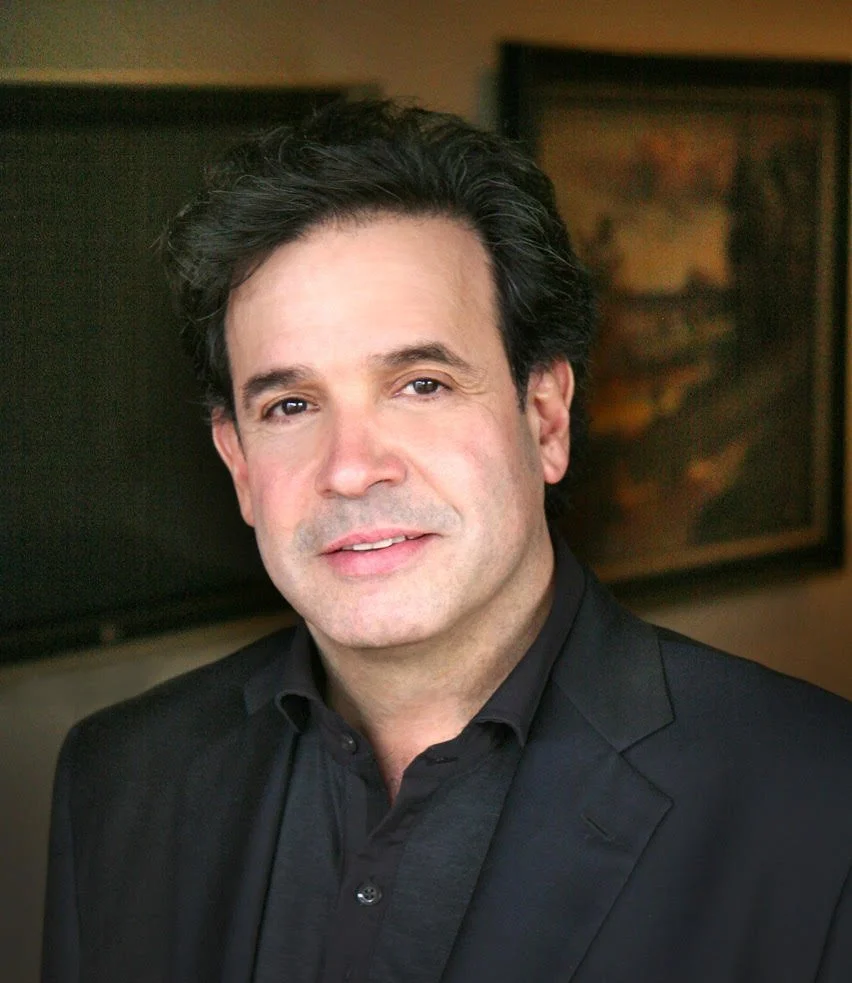
Rudolph E. Tanzi, PhD
Harvard, Massachusetts General Hospital
Dr. Rudolph Tanzi is the Director of the Genetics and Aging Research Unit, Co-Director of the McCance Center for Brain Health, Co-Director of the MassGeneral Institute for Neurodegenerative Disease, and Vice-Chair of Neurology at Massachusetts General Hospital. He is also the Joseph P. and Rose F. Kennedy Professor of Neurology at Harvard Medical School. Dr. Tanzi is a co-founder of the Cure Alzheimer’s Fund, for which he serves as the Chair of the Research Leadership Group. Dr. Tanzi co-discovered the first Alzheimer’s disease (AD) genes including the amyloid gene (APP), the presenilin genes, and the first AD neuroinflammation gene, CD33. Dr. Tanzi also first showed that the amyloid beta protein serves in the brain as an antimicrobial peptide, leading to the “antimicrobial protection hypothesis” of AD. He also discovered the Wilson’s disease gene and other neurological disease genes. Dr. Tanzi’s lab first used human stem cells to create the first human brain organoid models of AD, which have made drug discovery exponentially faster and cheaper. He has used these models to develop novel AD drugs including gamma secretase modulators that lower amyloid production and are being prepared for clinical trials. Dr. Tanzi has helped create numerous biotech companies and published over 725 papers (>165,000 citations). He has received numerous awards, including the Metropolitan Life Award, Potamkin Prize, and Smithsonian American Ingenuity Award, is a member of the National Academy of Medicine, and has been included on the list of the TIME100 Most Influential People in the World. Dr. Tanzi is also a New York Times bestselling author of Decoding Darkness, Super Brain, Super Genes, and The Healing Self, for which he has hosted several television shows on PBS.
-
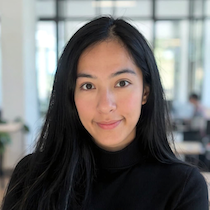
Michiko Thwe, PhD
Drexel University
Dr. Michiko Thwe earned her PhD in Biomedical Engineering from Drexel University in 2026. Raised in Myanmar, she came to the United States in 2010 to study biology and later earned an MS in Biotechnology from Johns Hopkins University. While at Johns Hopkins, she worked as a medical interpreter, supporting Burmese-speaking patients and witnessing challenges faced by refugees rebuilding their lives in the United States. That experience inspired her to pursue entrepreneurship to create economic opportunities for Myanmar immigrants. She is co-founder of Sushi Awarsei, a Philadelphia-based food-service company operating in more than 80 retail and institutional locations and has helped launch consulting and biotechnology ventures.
Dr. Thwe’s research examines microbial communities in postmortem brain tissue and their possible relationship to neurological disease. At Drexel, she used full-length 16S rRNA gene sequencing and PacBio circular consensus sequencing to study bacterial profiles in Alzheimer’s disease (AD) brains. Her work includes research on Cutibacterium acnes, microbial patterns in AD and Lyme disease brain samples, and distinguishing tissue-associated signals from contamination. She is a co-author of published research on microspatial variation in AD brain microbiota.
-

Wilmore C. Webley, PhD
University of Massachusetts at Amherst
Dr. Webley is a Professor of Microbiology and Senior Vice Provost of Equity and Inclusion at the University of Massachusetts Amherst. Webley was born in Dry Hill District, Bellas Gate P.O, St. Catherine, Jamaica and was the first in his family to attend high school (Old Harbour Hight School) and college. He completed a Bachelor of Science degree in Medical Technology at Northern Caribbean University. Webley then earned the M.Sc. and Ph.D. in Microbiology at the University of Massachusetts Amherst, with expertise in Immunology, Infectious Disease, Host-pathogen interactions, and a concentration in vaccine development. Dr. Webley’s research focuses on infectious disease mechanisms and the role of infections in chronic diseases. Specifically, the Webley Lab has pioneered work in Chlamydia vaccine development using gas vesicle nanoparticles for delivery and the role of pathogenic microbes in causing an “infectious asthma” phenotype. His recent work has demonstrated the efficacy of antibiotics in successfully treating a subset of severe asthmatics. Dr. Webley’s work has been published in reputable international journals and has made significant contributions to the field of microbiology, vaccinology, allergy and immunology. Dr. Webley is a Fulbright Scholar, a recipient of the Manning Prize for Excellence in Teaching, and the Distinguished Teaching Award in recognition for outstanding teaching accomplishments. He is also a recipient of the Community Service Appreciation Award, in appreciation for Outstanding Commitment and Dedicated Contributions to Saving Lives During the COVID-19 Pandemic. In his role as Associate Dean in the Graduate School, Webley has overseen UMass’s $1.6M investment in the Spaulding-Smith and REAL Fellowship Programs, designed to increase the diversity of our graduate student population through recruitment and retention of students who are traditionally underrepresented in graduate education.
-

Kevin Zwezdaryk, PhD
Tulane School of Medicine
Dr. Zwezdaryk is an Assistant Professor in the Department of Microbiology & Immunology at Tulane University School of Medicine. Kevin earned a Ph.D. in Virology from Tulane University under the guidance of Dr. Cindy Morris where he researched how herpesviruses enter host cell using live cell imaging. Remaining in the field of virology, he worked as a postdoc under Dr. Deborah Sullivan where is work focused on how herpesviruses alter host mitochondrial function and metabolism. His current research focuses on a) how herpesviruses alter mitochondria as a function of age; B) the impact of intermittent infection across the lifespan; C) do diverse pathogens exhibit unique or shared pathways that contribute to pathology. His lab investigates applies this questions to the potential roles that herpesviruses play in Alzheimer’s Disease (AD) and explores the mechanisms driving altered mitochondria function. We all experience infections throughout our life. How each infection contributes to AD progression or unhealthy aging is largely unknown. By identifying how pathogens impact neurodegenerative disease, we can provide a target approach for treatment or prevention.
-
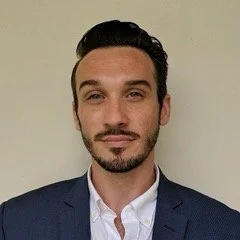
Cory Kelly
Salk Institute
Cory Kelly is the Director of Research Development at the Salk Institute for Biological Studies. As a scientist and research leader, he focuses on the ambitious, consequential questions that will define the future of science, bringing together the scientists, technologies, organizational capabilities, and capital needed to answer them. Previously, he served as an Advisor and Program Officer at NIH’s National Institute of Neurological Disorders and Stroke. Prior to that, he was a research scientist in neurological surgery at the University of Washington and helped lead a multidisciplinary research center translating discoveries and commercializing technologies for stroke and brain injury. His work spans scientific agenda-setting, collaborative program design, advanced research capabilities, research operations, and the science of science.
The AlzPI NextGen
Early career-stage scientists making a big impact
-
![]()
Zena K. Chatila, MD, PhD
Columbia University
-
![]()
Michael R. Duggan, PhD
National Institute on Aging (NIA)
-
![]()
Juan R. Fernandez, BSc
University of Pittsburgh
-
![]()
Vanesa R. Hyde, B.A.
University of Pittsburgh
-
![]()
Esther Silberberg, PhD Student
Hebrew University

Connect With Us
We are actively seeking collaborators and partners.